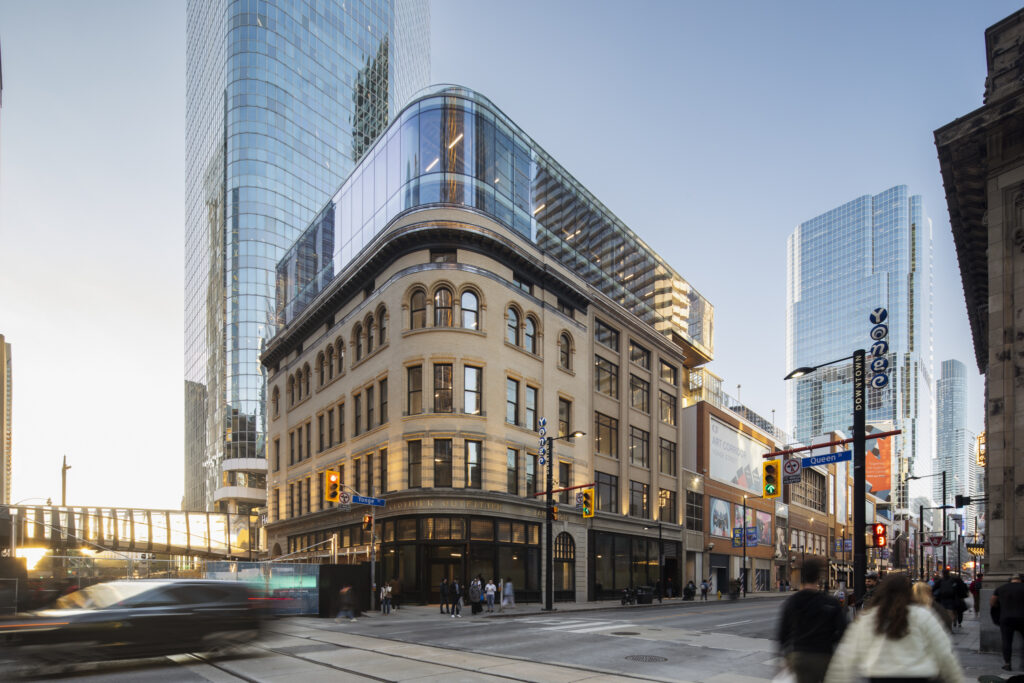



The historic building at 2 Queen Street West, Toronto was first built in 1885 and representing the Philip Jamieson Outfitter company erected with sandstone signage bands, sandstone window sills, headers & jambs, Ontario sized buff brick and terracotta stone from the third floor up and solid wood windows. Our scope is to catalogue and provide a comprehensive existing conditions survey, demolish all exterior masonry and rebuild with all new brick veneer, sandstone and terracotta elements. The windows are to be replaced with new wood windows, however 9 original curved wood windows that overlooked the North-West corner of Yonge and Queen St W will be salvaged and restored prior to reinstallation. Other elements on the building include new lead-coated copper flashing over solid wood elements that make some of the upper cornice/parapet details. The existing P. Jamieson Outfitter signage band at the top of Level 1 will be retained and restored in place using heritage stonework practices. To finish the project, Level 1 will have all new sandstone arches and metal cladded storefronts to provide a unique modern look to old heritage builds.
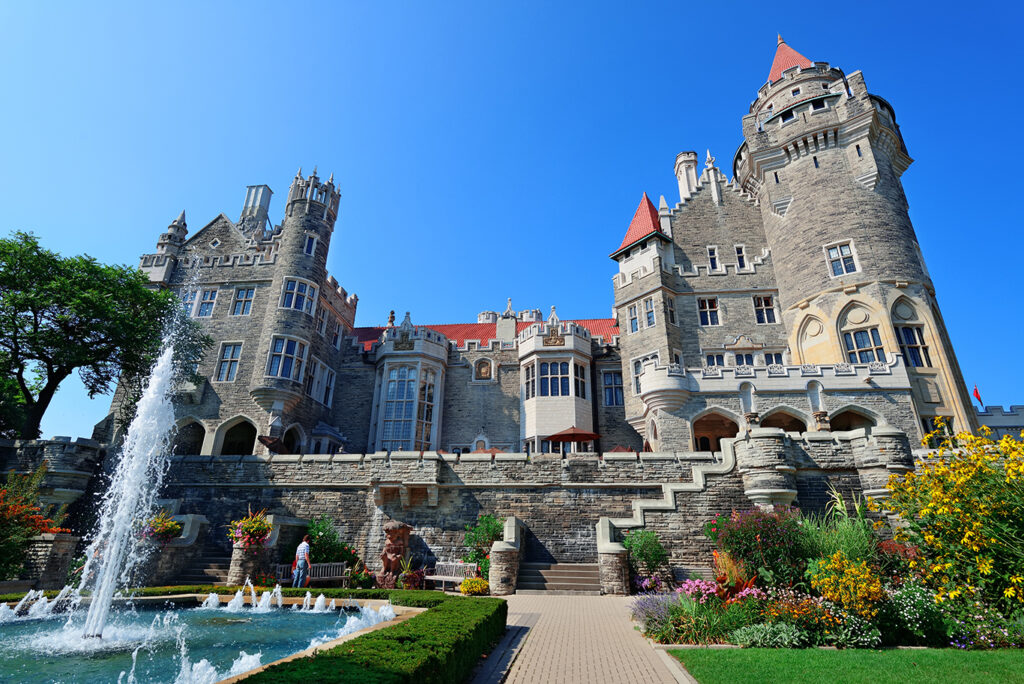
We have had the esteemed pleasure of completing over eight projects at Casa Loma over the past 20 plus years. Clifford Restoration was retained as the General Contractor for these projects and self-performed the envelope work. The complex nature of the work has included the full cataloging and rebuild of many exterior rock face and Roman stone elements, including the towers, turrets, entrances, and chimneys. We have also restored or replicated numerous exterior wood windows and doors.
We are currently undertaking rampart wall and parking structure work at Casa Loma. Previous phases have included extensive Roman stone replacement and the rebuild of the Norman Tower, as well as garden wall and balcony restoration, stables roofing and masonry, cart shed roof replacement, stables masonry documentation, cart shed chimney removal and documentation, and excavation and waterproofing. The facility was maintained fully usable and accessible throughout the construction activities.
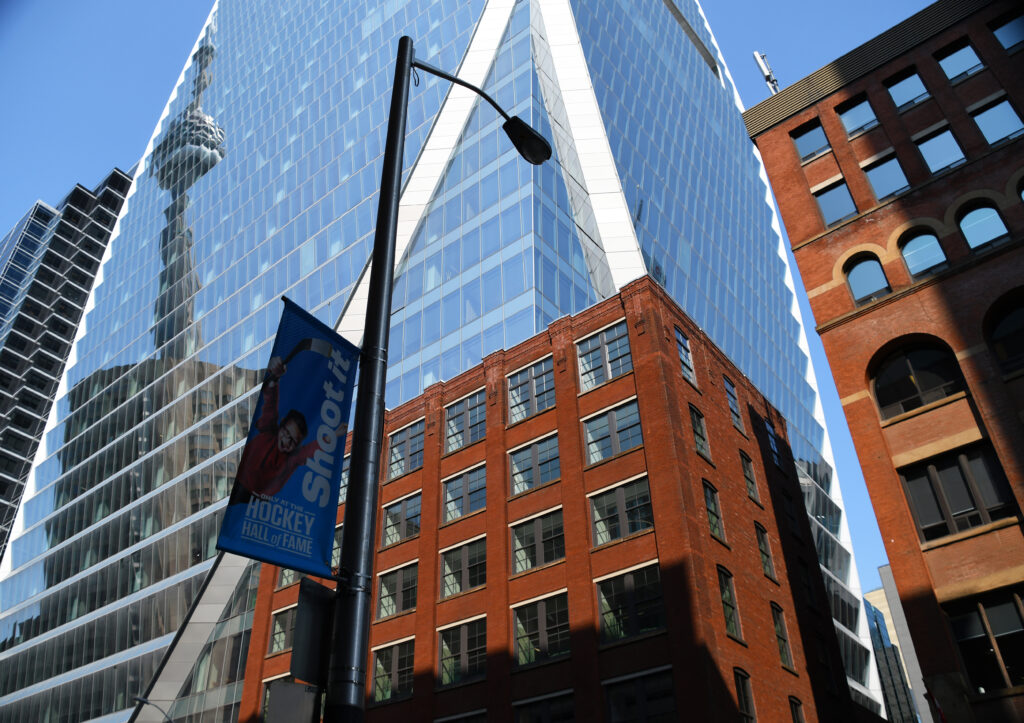
156 Front Street, built in 1904 as the Robert Simpson Company’s first mail-order warehouse, now forms the base of the 47-storey LEED-certified TD Terrace at 160 Front Street West, Toronto’s 7th tallest building. Designated a heritage site in 2006, the project seamlessly integrates the historic façade into the modern tower while preserving the area’s visual and historical character. A meticulous conservation process involved dismantling, storing, and restoring parts of the facade, overcoming challenges such as tight downtown spaces and infrastructure. Salvaged bricks were carefully cataloged and restored, and new thermal-glazed windows replicating the original design were installed. Extensive planning and execution ensured the integrity of the original structure while meeting modern construction standards.
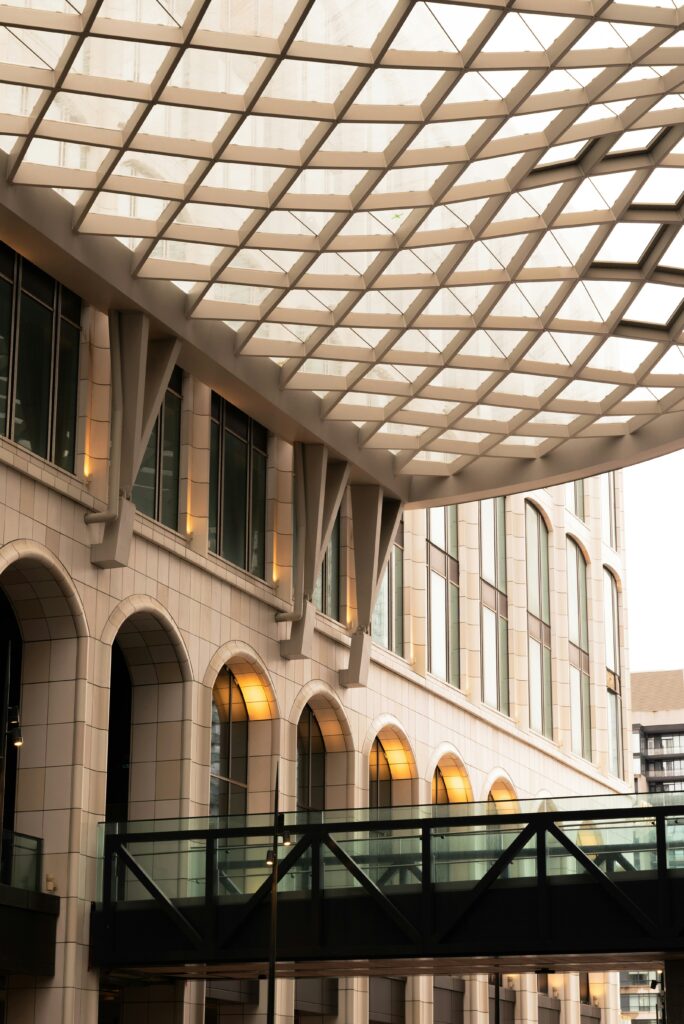
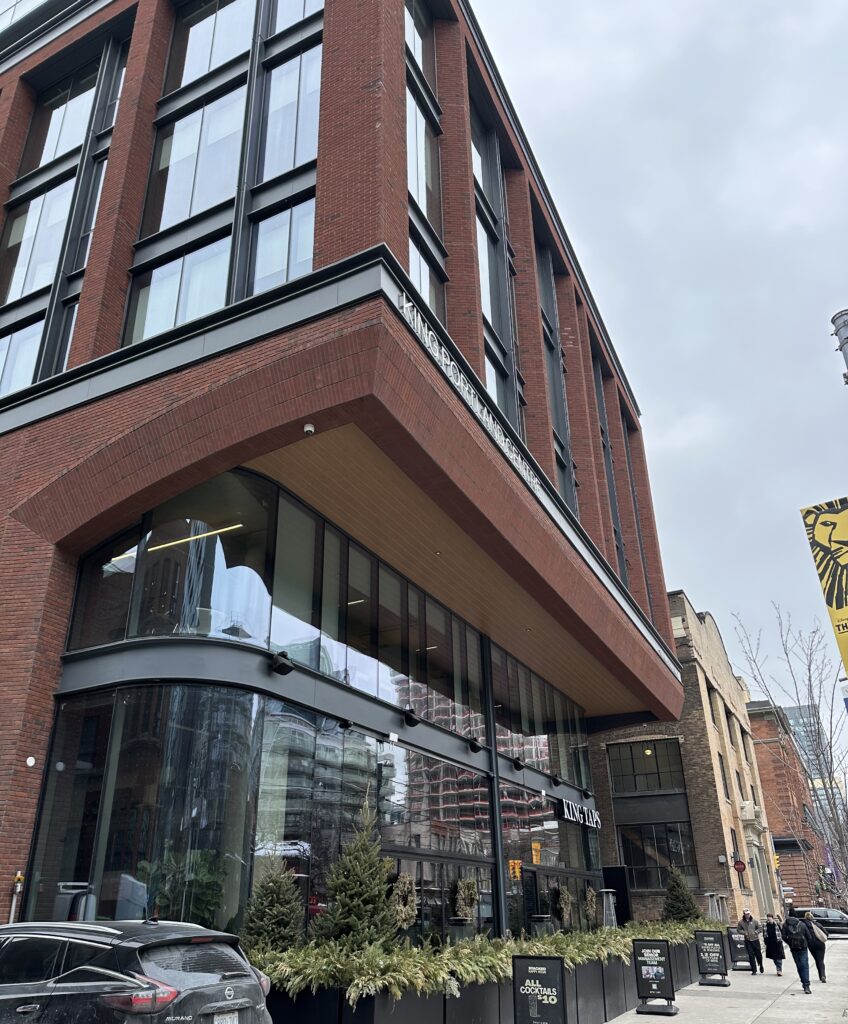
The supply and installation of 55,000 square feet of terracotta and 9000 square feet of granite
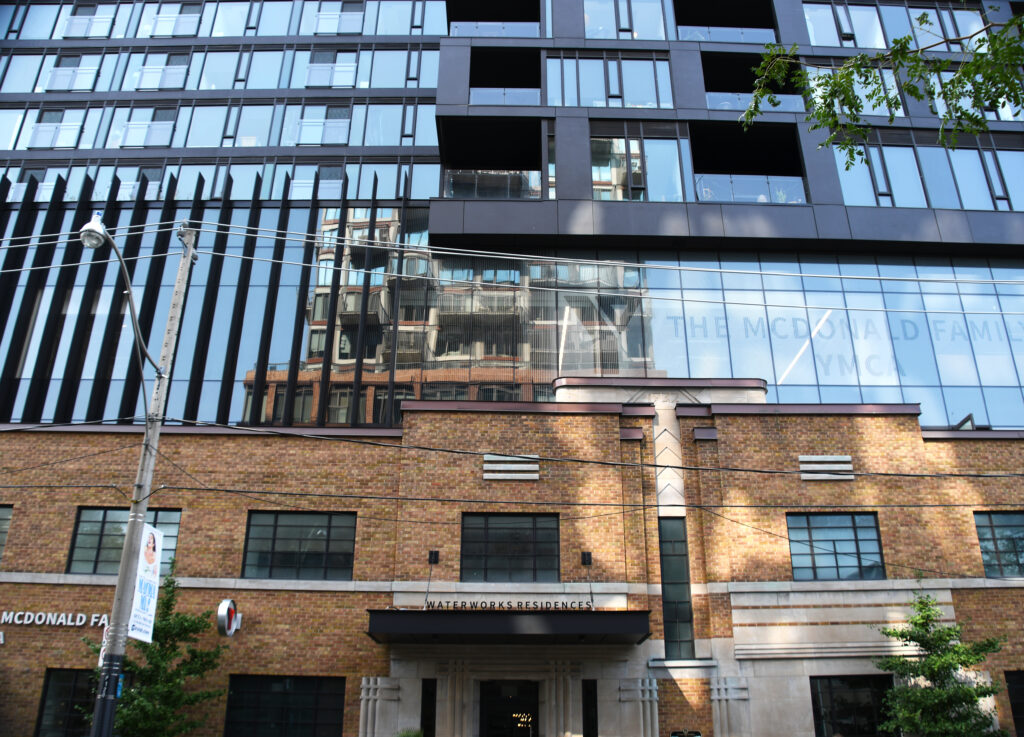
The 505 Richmond St W – Waterworks project revitalized a 1930s Art Deco public utilities building into a vibrant mixed-use space, including retail, a YMCA, and residential units, while preserving its heritage. Clifford Restoration Limited, in collaboration with ERA Architects and Diamond Schmitt Architects, led the meticulous restoration of masonry, limestone, steel windows, and historic wood/metal elements. The team overcame significant challenges, such as the dismantling and reinstatement of the historic gantry crane, all while adhering to strict heritage standards. This project is a model of adaptive reuse, blending historic preservation with modern function to ensure the building’s legacy continues for future generations.
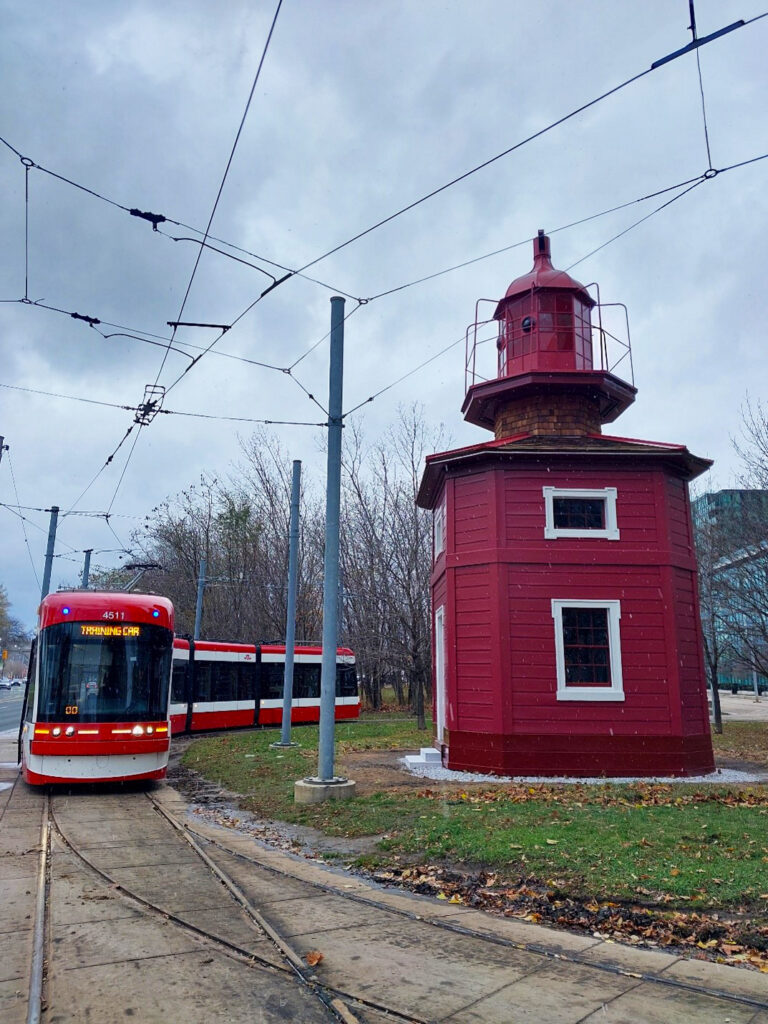
The objectives included the careful restoration and repainting of exterior wood elements such as siding, trim, soffits, fascia, windows, and door frames. Replacing cedar shingles on the low roof and the “neck” of the lantern and adding a new LCC drip metal flashing and trim was essential for enhancing durability. Additional objectives included the replacement of stone steps and widening the drainage strip around the building’s perimeter. The lantern, catwalk, and cupola, along with their railing, were to be restored and repainted, while the glass panels of the lantern were cleaned, polished, and the weather vane rod was serviced. Electrical work was planned to reinstate power, along with installing new lighting and wiring. The project emphasized the use of Dutchmen repairs to preserve as much of the original material as possible, adhering to conservation best practices.
Supply and install of veneer limestone, limestone at rubble landscape knee, entrance and ramp walls. Supply and install limestone coping. Supply and install limestone lintel and jamb pieces for a grand total of +/- 15,500 sq ft of limestone installed.
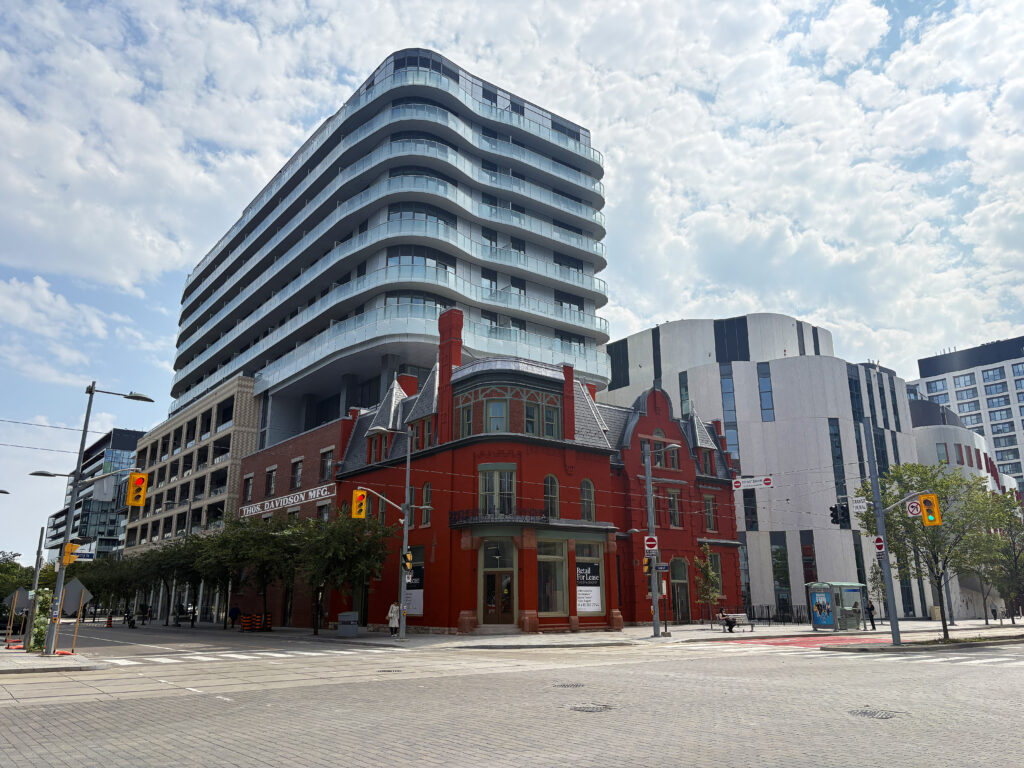
The building at Front and Cherry Streets was originally constructed in 1859 as the Palace Street School, serving children in Toronto’s growing St. Lawrence Ward. After the school closed in the late 19th century, it was converted into the Irvine House Hotel and later the Cherry Street Hotel. In
the early 20th century, the property was adapted for industrial use, adding a warehouse space in the back for the Thomas Davidson Manufacturing Company, a cookware factory. By 1965 it had become the Canary Restaurant, a well-known local landmark that operated for over 40 years.
We took part in carrying out the preservation of this heritage building, adapting it for modern use and ensuring its seamless integration into the Canary District redevelopment.
Our scope of work focused on the conservation and repair of heritage elements, including salvage, selective demolition, and reinstatement of masonry, stone, and wooden elements. Brickwork made up a large portion of the effort, with extensive repointing, cleaning, and replacement of damaged units using salvaged material where possible to ensure authenticity. Additional work included installing new lintels, sills, and flashings, as well as cleaning, repairing, and repainting cornices and window assemblies. These efforts stabilized both the exterior and interior masonry, protected historic features throughout construction, and balanced long-term durability with the preservation of the building’shistoric character.
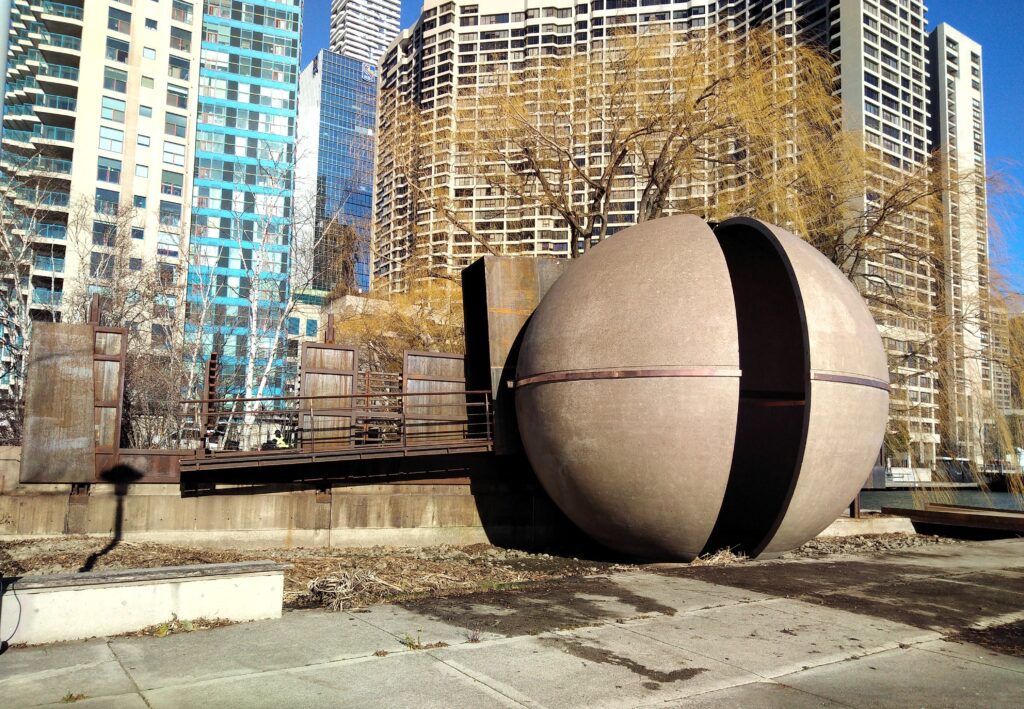
Clifford Restoration Limited was contracted by the City of Toronto to restore the Sundial Folly sculpture in Harbour Square Park. Designed by artists John Fung and Paul Figueiredo, the artwork integrates concrete, copper, and weathering steel to reflect Toronto’s industrial heritage. Challenges included structural cracks, extensive graffiti, and access limitations due to its lakeside location. Restoration work included structural repairs, timber replacement, graffiti removal, and conservation of steel and concrete elements. All work followed heritage conservation standards, preserving the sculpture’s evolving character while reinforcing its connection to the lake and surrounding landscape.
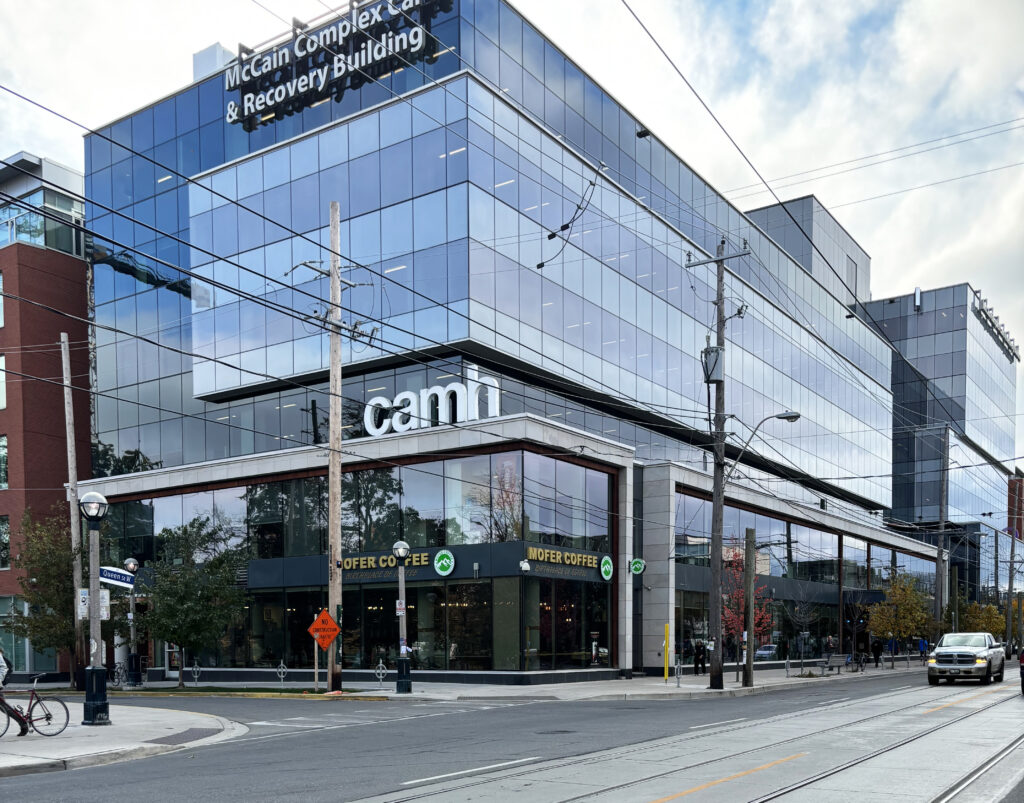
Our work on phase 1C of the CAMH redevelopment included the supply and install of granite cladding, Algonquin limestone, brick veneer and interior concrete masonry units. During the installation we were also responsible for the anchoring system, air and vapor barriers and insulation work.
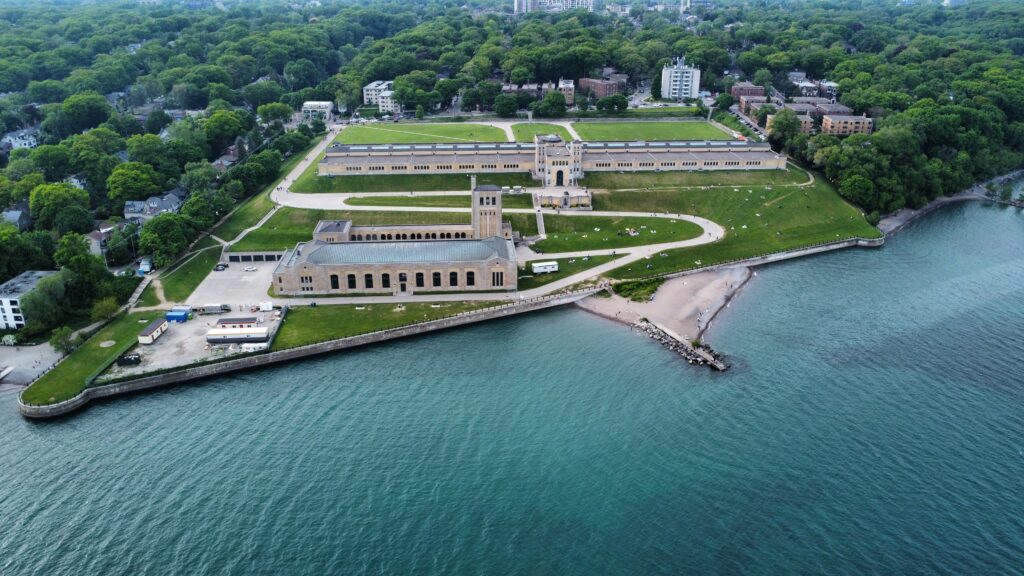
We have been responsible for and self-performed the steel window and door restoration exterior brick and stone masonry restoration, cast in place and precast concrete restoration, interior brick and marble restoration, as well as the miscellaneous metals and flashing. In addition as the general contractor we have supervised and coordinated all other facets of the construction industry for this property. As one of Toronto’s largest and active water filtration plants: coordination has been the key to our success ensuring the safe, uninterrupted continued operation during all activities. The skilled artisans employed by Clifford were responsible for the extensive exterior restoration. As a solid masonry building, all of the stone, brick and concrete restoration was structural in nature. Entire areas of the building were catalogued and rebuilt, restoring or replacing the elements that had been damaged or deteriorated. Where required, engineered shoring was implemented to retain the fabric above the elements scheduled for repair. Stone elements were re-carved to exacting detail, while some elements not requiring full replacement were replicated using a combination of Jahn repairs or Dutchman. Concrete elements were either recast in place or fabricated off site as precast units and reinstalled.
Our scope also included structural upgrades: reconstruction of the foundation walls, rebuilding above grade backup material and the introduction of stainless steel reinforcing for improved seismic standards. Included in this scope of work was the restoration of the steel windows. This scope included frame restoration or selective replacement as well as glazing repairs and re puttying. In addition to the masonry and window restoration we were tasked with selective roof replacement, misc. metals, landscaping and paving upgrades, fountain reconstruction, electrical and mechanical updates.
The work on this project involved the stone paving work including removing existing pavers and re installation on a new drained granular bedding. New concrete walk and stairs. Masonry work including cut out and repointing of existing joints, stone replacements, dutchmen repairs, stone repairs. New drainage systems, electrical work, aquatic work including the installation of a new fountain and stone sculpture. Railing work and flashing.
Our scope for this project included the supply and install of brickwork including brick arches and landscape brick walls. We also supplied and installed the granite base.
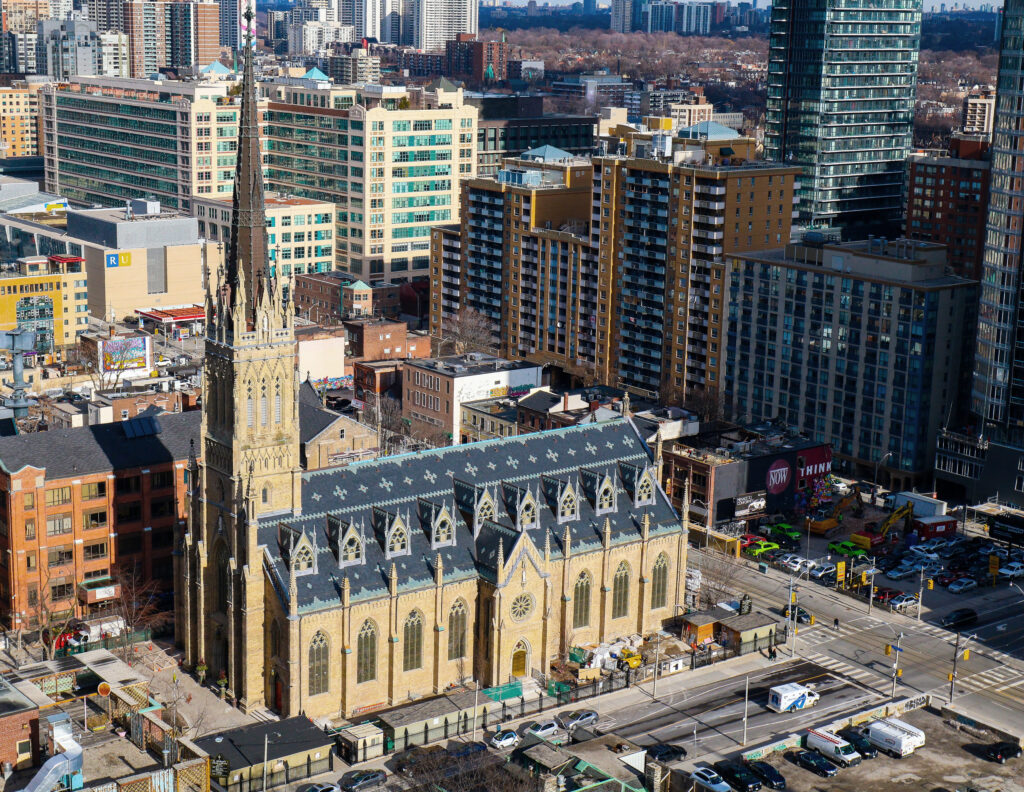
St. Michaels Cathedral Basilica is the cathedral church of the Roman Catholic archdiocese of Toronto, and one of the oldest churches in Toronto. Primarily financed by local Irish immigrants and designed by William Thomas, the groundbreaking took place in 1845 and was consecrated in 1948. Many renovations, expansions and repairs have taken place over the years. This project, part of the total restoration of one of Toronto’s most iconic heritage sites, included extensive exterior masonry restoration, installation of new bronze elements, cleaning and replacing damaged brick, and replicating decorative carvings. Heritage stained glass windows were restored, woodwork repaired, masonry crypts dismantled and rebuilt, and new slate flooring installed. The work also involved structural stabilization, seismic upgrades, and improved flashings to prevent water infiltration. All restoration efforts were completed with great care, using archival photos and renderings to recreate lost elements, while daily and weekly masses continued uninterrupted.
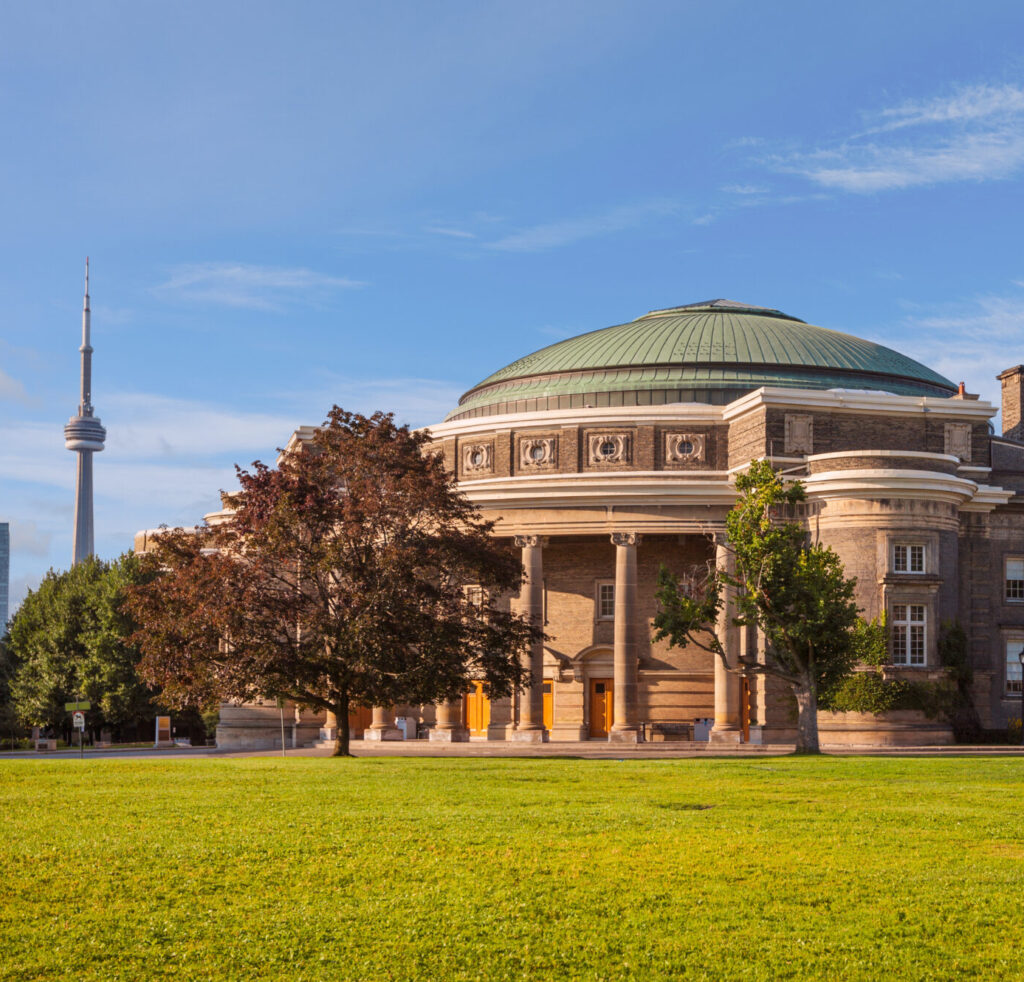
Convocation Hall was completed in 1907 and designed by architect Frank Darling. This project involved repairs to the existing copper dome roof, installation of a new skylight, and full mechanical and electrical upgrades, supported by design and engineering services.
The scope of the Convocation Hall Dome Repairs included demolition and mobilization, asbestos abatement, erection of shoring, structural steel and miscellaneous metal work, wood and plaster restoration, roofing, skylight installation, ballasted sail shades, glass replacement, and complete mechanical and electrical systems.
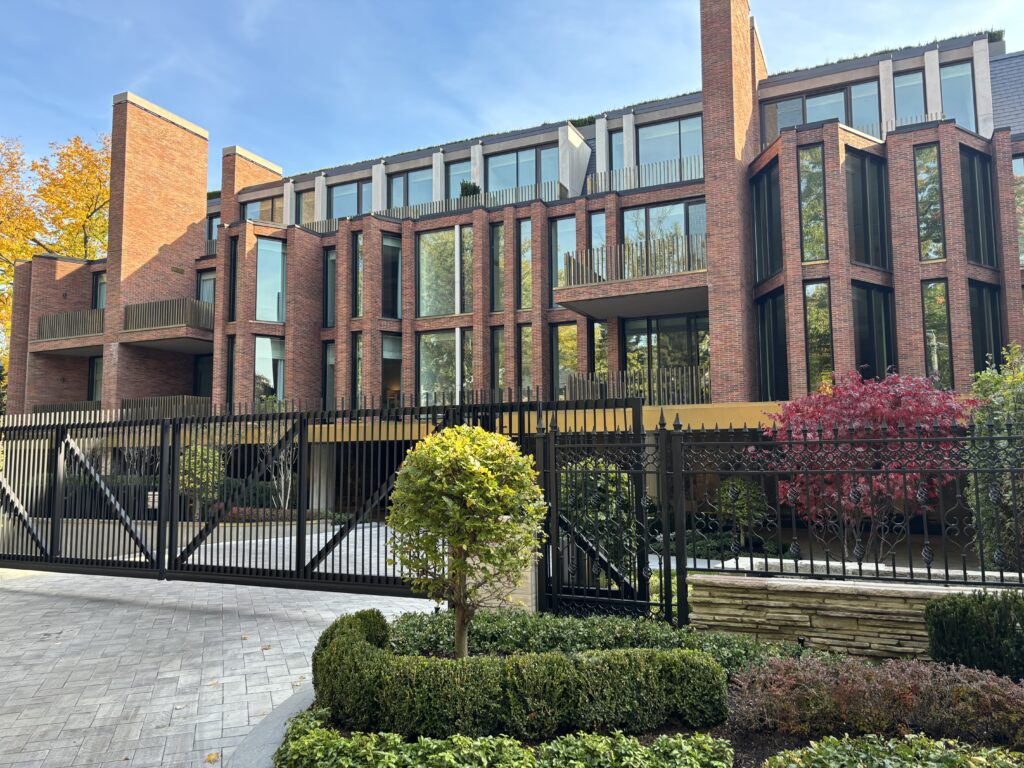
Our scope of work included the supply and installation of Algonquin limestone cladding, clay brick, precast bands/chimneys and concrete masonry units.
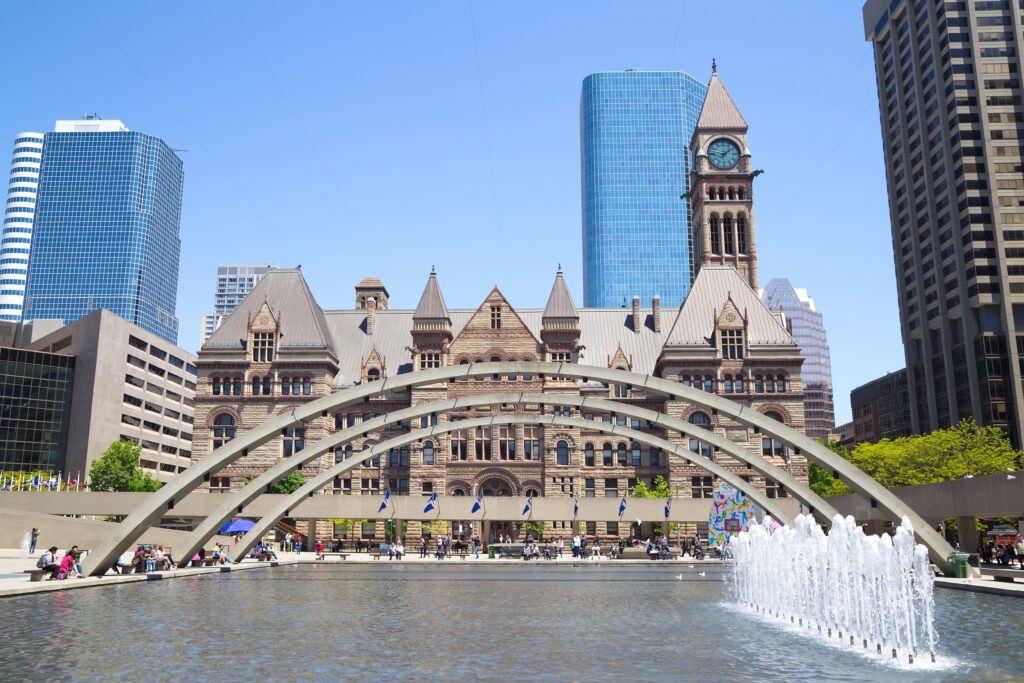
Toronto’s third city hall officially opened September 18 1899. Designed by Toronto Architect E.J.Lennox
Major restoration was performed in several phases including:
The scope of work completed included the masonry restoration of six red-brick chimneys, supply and install of five precast chimney replacement caps, and removal and re-caulking to match existing. Restoration of select architectural elements. Restoration of slate roof and metal roof surfaces, exterior woodwork refinish, and restoration of exterior windows and doors. Completed cleaning and feathered transitions with existing conditions to match undisturbed sections. In another phase, we took on the interior restoration of one of their courtrooms.